

Heal High Cholesterol, Naturally
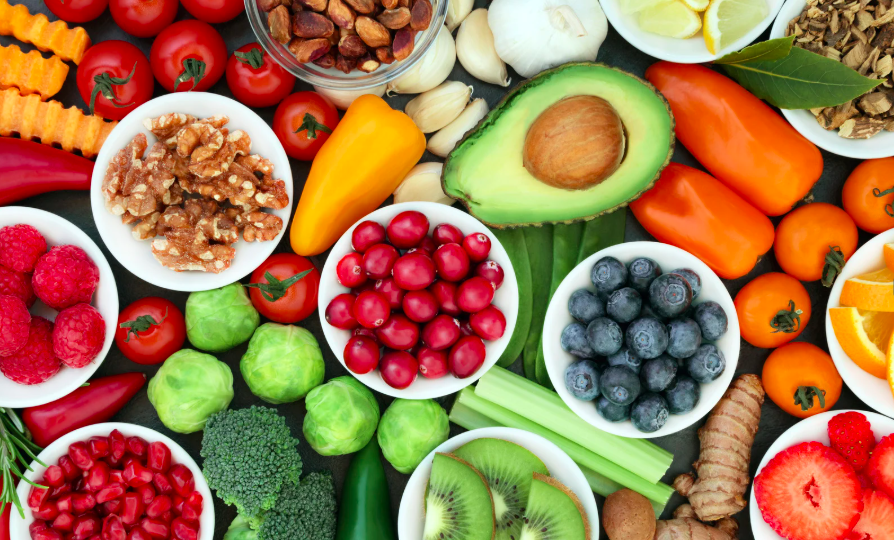
If you showed up to your annual physical feeling like a responsible adult, only to leave with what felt like a bad report card and a high cholesterol diagnosis, this blog post is for you. Flippant “diet and exercise” or “let’s get you on a statin” recommendations simply aren’t enough. You will end this reading with a better understanding of all things cholesterol related, and a starting point for confident next steps.
First off, know you are not alone.
Over 94 million U.S. adults (nearly 40%) have high total cholesterol (≥200 mg/dL)
About 28 million U.S. adults have very high cholesterol (≥240 mg/dL)
Less than half of those with high cholesterol have it adequately controlled
However, knowing you’re not alone doesn’t mean you feel any less lost.
When most people think about high cholesterol, the conversation quickly turns to genetics or medication. While both can play a role, an integrative and functional medicine lens asks a different question:
Why is cholesterol elevated in the first place—and what systems are driving it?
Cholesterol is not inherently “bad.” In fact, it plays many essential roles in the body. It’s a structural component of every cell membrane, a precursor to steroid hormones, vitamin D, and bile acids (digestion), and is important for brain health and immune system health. The issue arises when cholesterol becomes dysregulated due insulin resistance, inflammation, gut dysfunction, poor bile flow, chronic stress, or mitochondrial inefficiency.
The bad news: If left unaddressed, high cholesterol can significantly increase the risk of:
Atherosclerotic cardiovascular disease
Heart attack and stroke
Non-alcoholic fatty liver disease (NAFLD)
Type 2 diabetes
The good news? Many root causes, even genetics, are modifiable through food, movement, targeted supplementation, and strategic lifestyle “hacks” that are sustainable and backed by science.
Step 1: Use Food to Regulate Cholesterol Metabolism (Not Just Lower It)
Below is the “meat and potatoes” for dietary management of high cholesterol. Or, even better, the lean meat and sweet potatoes .😊
1. Prioritize Soluble Fiber to Improve Cholesterol Clearance
Why: Soluble fiber binds bile acids in the intestine, increasing cholesterol excretion and reducing circulating LDL levels.
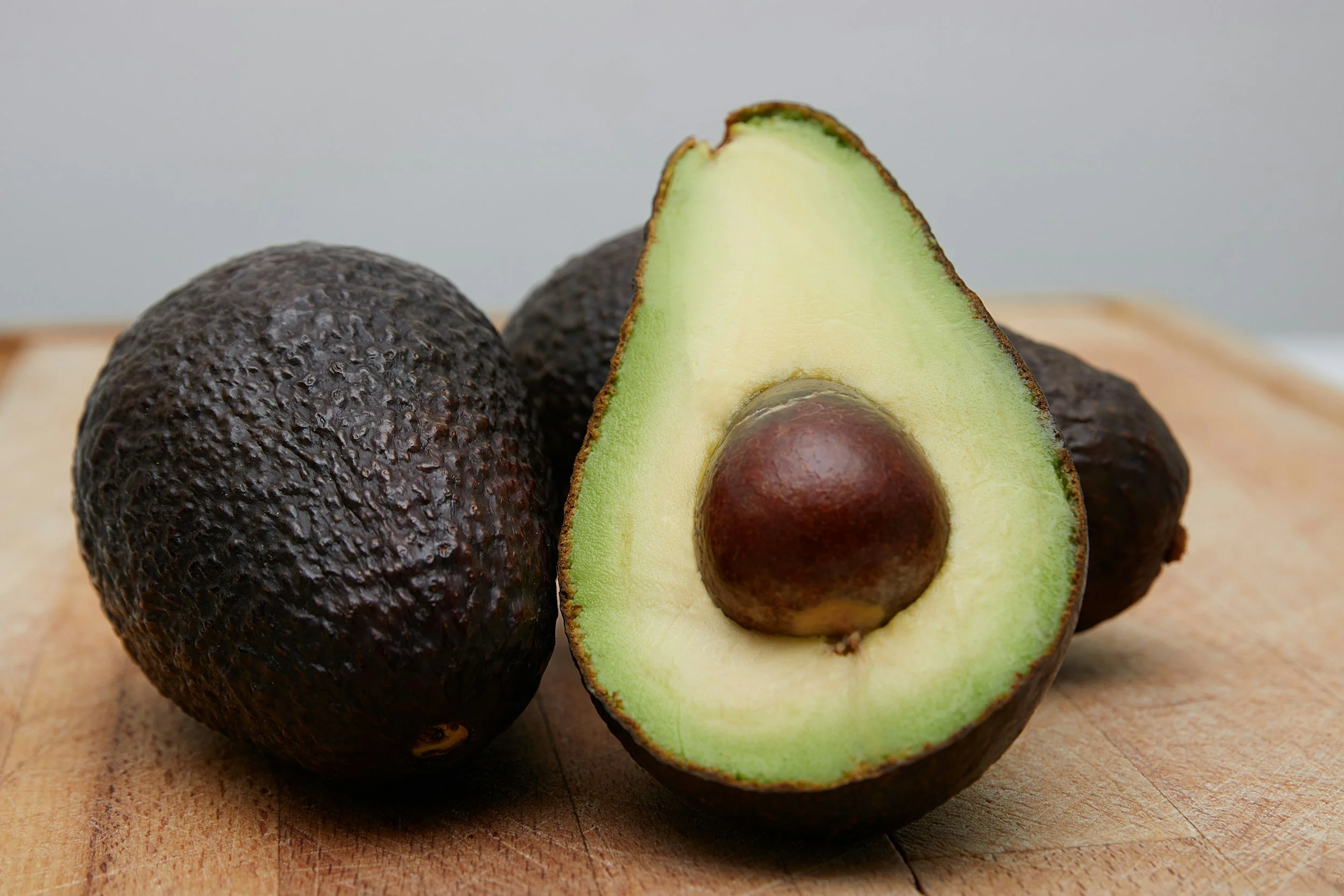
Great Sources:
Oats, oat bran, and barley
Chia seeds and ground flax
Lentils, beans, chickpeas
Apples, stone fruits, figs, bananas, and berries
Root vegetables like carrots, turnips, and parsnips
Sweet potatoes
Avocados
Fiber supplements like psyllium husk or chicory root
📊 Research note: An intake of 5–10 grams of soluble fiber per day is associated with a 5–10% reduction in LDL cholesterol. This is made more impactful when total fiber (soluble + insoluble) intake is 25-40 grams per day for women (AFAB) and 40-55 grams per day for men (AMAB).
💡Functional insights:
Take inventory of your average daily intake of fiber, then increase it incrementally. My suggestion is to add 5 grams to your average daily intake for one week, then 5 more for the next week, and so on, until the optimal range is hit. Increasing your fiber too fast can cause digestive distress. Give your body time to adjust.
Fiber works best when gut motility and microbial balance are intact — bloating or constipation may signal the need to address digestion on a deeper level.
2. Replace Refined Carbs With Blood-Sugar-Balancing Foods As Often As Possible
Why: Elevated triglycerides and LDL are often driven by insulin resistance, not fat intake.
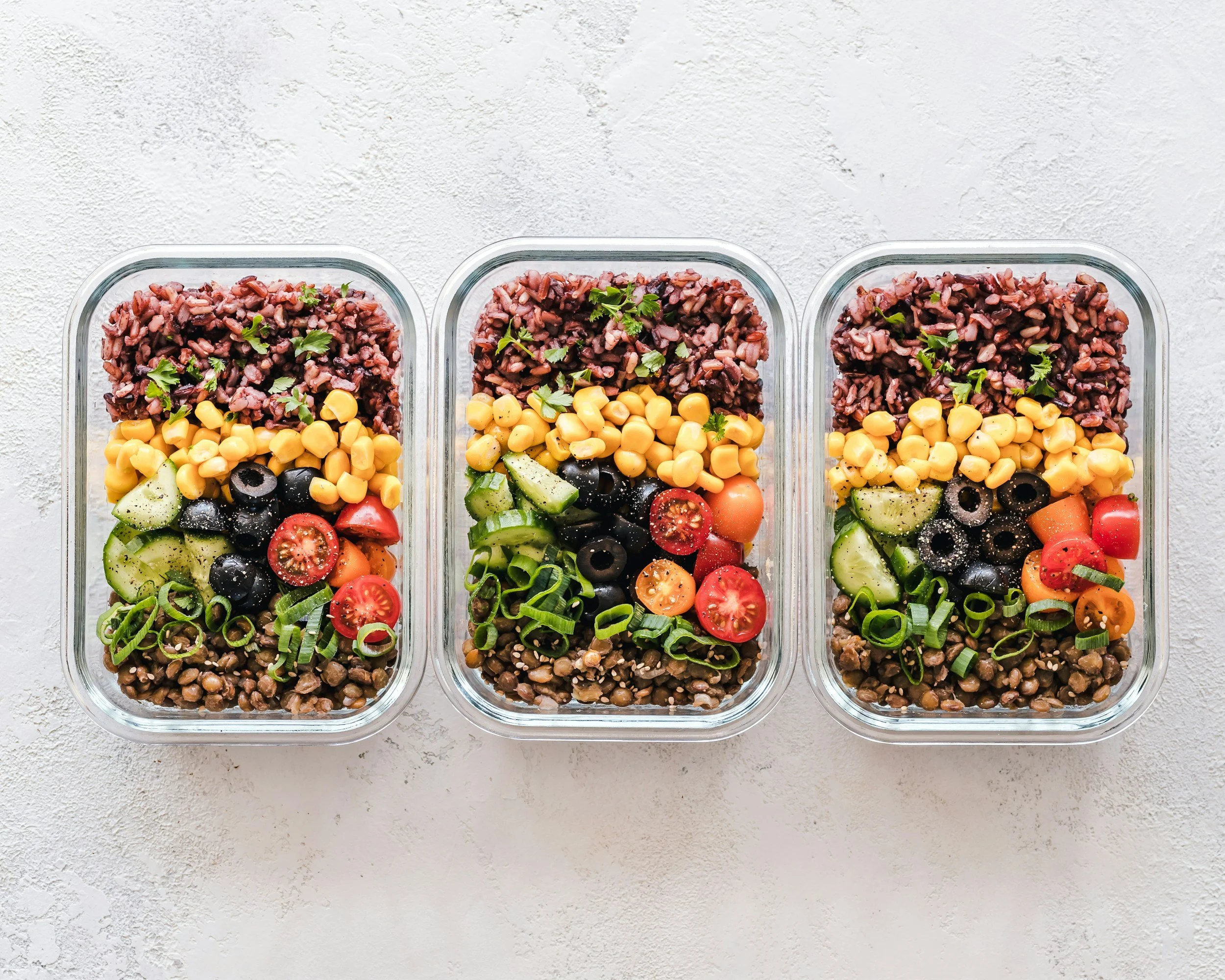
Prioritize at most meals:
Non-starchy vegetables
Protein at every meal (25 grams, or more, depending on your specific needs)
Low-glycemic carbohydrates (quinoa, sweet potatoes, legumes, corn tortillas, sourdough bread)
Reduce:
Ultra-processed foods
Refined grains and added sugars
Sweetened beverages
Alcohol
Remember, reduction doesn’t mean elimination. It’s still OK to enjoy these foods in moderation. In fact, sprinkling these in can actually keep you more consistent with dietary changes in the long term.
💡Functional insights:
Improving insulin sensitivity often lowers triglycerides faster than any supplement.
Eating a balanced breakfast and balanced meals throughout the day is shown to improve blood sugar ranges. So many people under eat during the day, causing them to over eat and have higher carb cravings at night, leading to chronic impaired glucose control, even if they aren’t over-eating on total daily calories. Spread your nutrients throughout the day.
3. Don’t Fear Fat—Choose a Better Combination
Why: Dietary fat quality and balance matter most for reducing inflammation and improving cellular health.
From a functional standpoint, a dietary omega-6 to omega-3 ratio closer to 4:1 or lower is associated with reduced inflammation and improved lipid metabolism. The modern Western diet often exceeds 15–20:1, which may promote chronic inflammation and lipid dysregulation. It’s not that omega-6 is “bad” or seed oils are unhealthy, it’s that the ratio is way off.
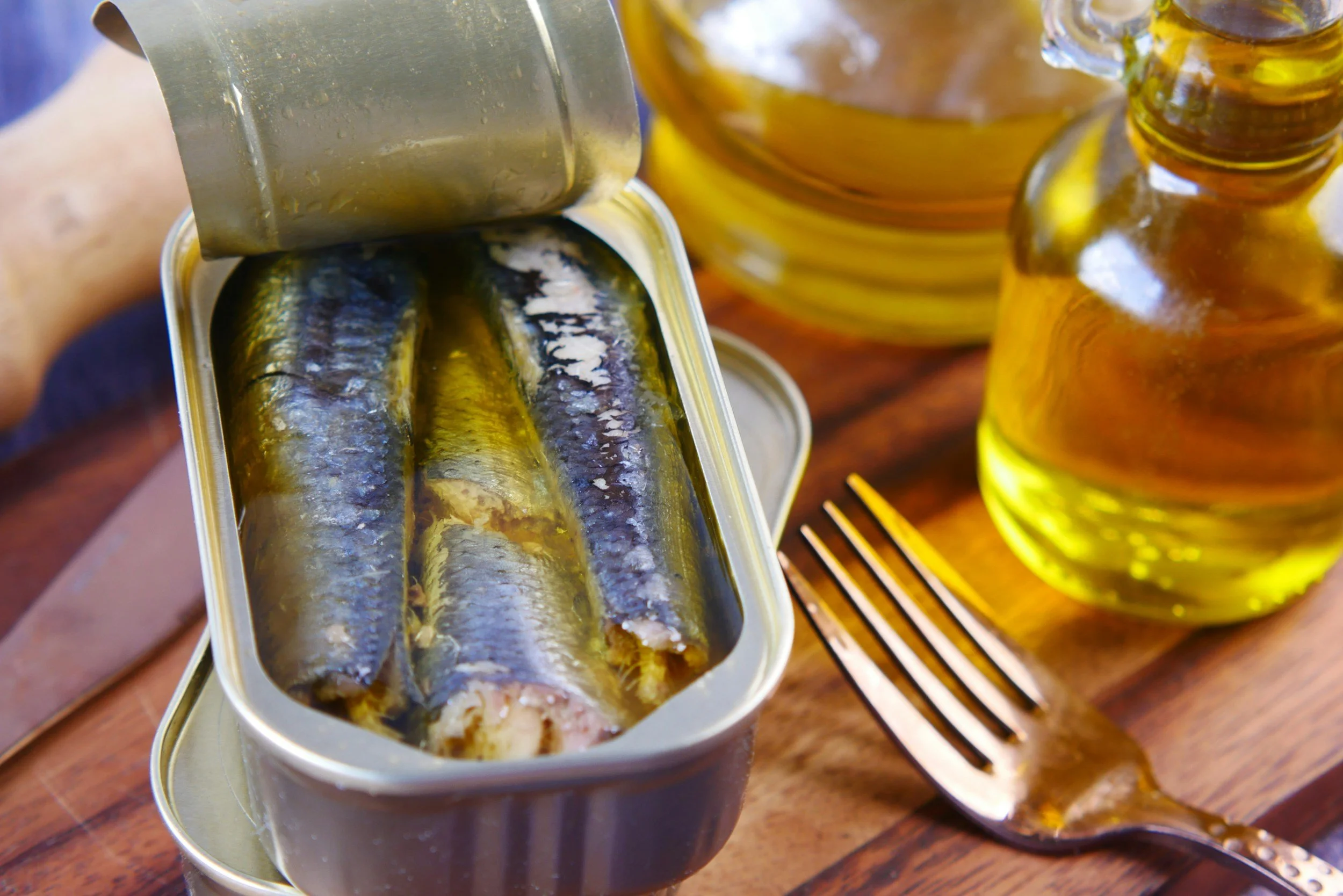
Increase omega-3 sources:
Fatty fish (SMASH): Salmon, Mackerel, Anchovies, Sardines, Herring)
Ground flaxseed
Chia seeds
Walnuts
Extra virgin olive oil and avocado oil
Reduce omega-6 sources:
Fatty cuts of red meat
Processed meats
Butter and ghee
Cheese and full-fat dairy
Coconut oil
💡Functional insight: The goal is not elimination, but moderation within a nutrient-dense, anti-inflammatory dietary pattern. Aim not to exceed 10% of your daily calorie intake from saturated fats.
4. Support the Gut–Liver–Bile Axis
Why: Cholesterol is eliminated primarily through bile. If bile flow is impaired, cholesterol is reabsorbed and recycled.
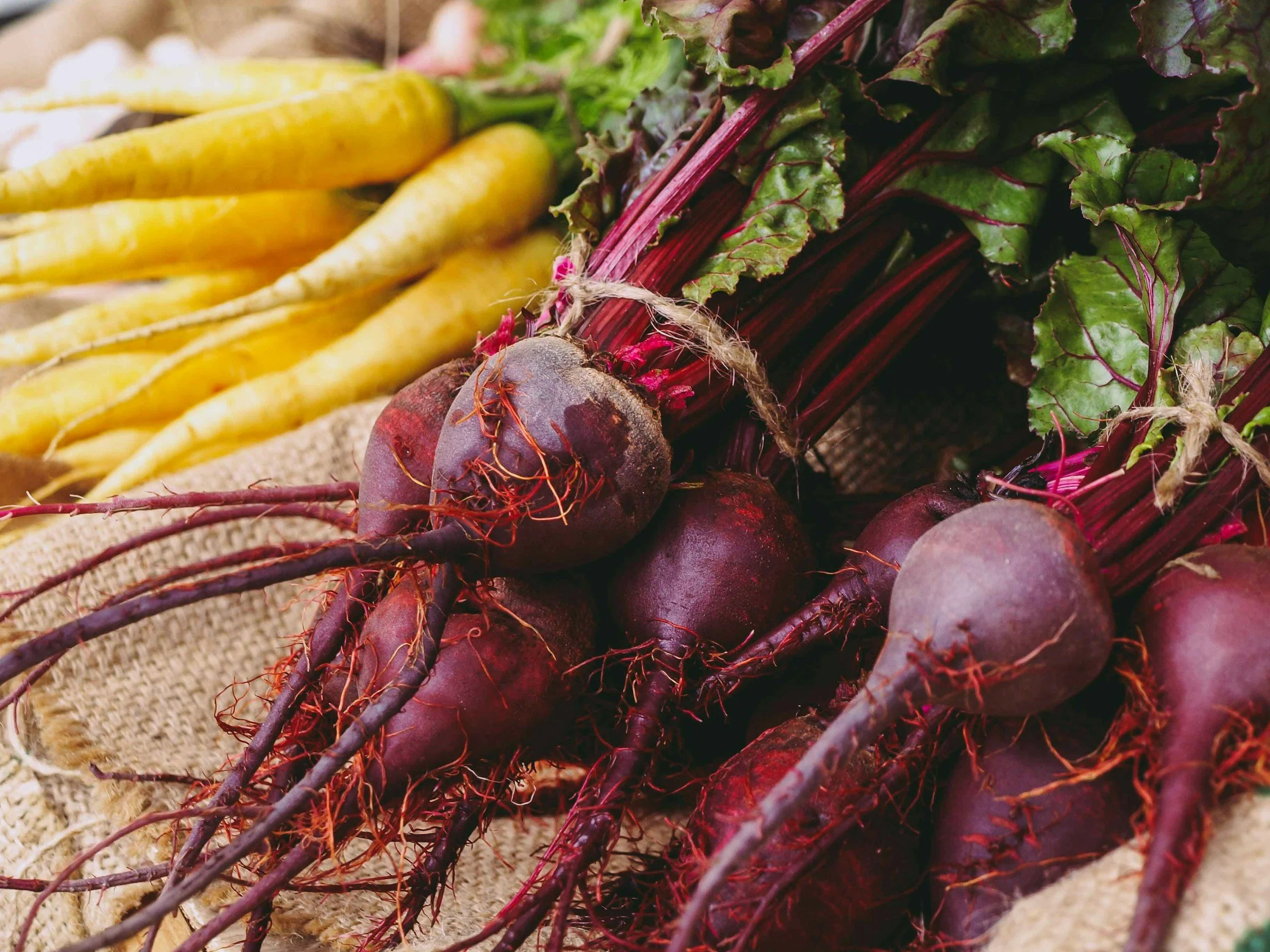
Foods that support bile flow:
Bitter greens (arugula, dandelion, radicchio)
Beets and beet greens
Garlic
Ginger
Citrus
Artichokes
Coffee, yes, coffee — but if you drink a lot, it may be best to choose filtered coffee, not french press or espresso. Also, consider limiting your coffee intake if high cortisol or impaired cortisol circadian rhythm is something you struggle with.
💡 Functional insight: Constipation is a commonly overlooked contributor to elevated cholesterol due to impaired bile excretion.
Step 2: Exercise as a Cholesterol-Modulating Tool (Not Just to“Burn Calories”)

Exercise improves cholesterol by increasing LDL receptor activity, improving insulin sensitivity, enhancing mitochondrial function, and building/preserving metabolically active lean muscle. Weight loss is not always necessary in the management of high cholesterol. However, research shows that for many who do have higher body fat, especially visceral fat, in the context of metabolic dysfunction, even a modest reduction of 5-10% of body weight can lead to improved levels and functioning. Below are some science-backed exercise habits to improve your cholesterol.
1. Resistance Training (2–3x/week)
Increases HDL
Improves triglycerides
Preserves and builds metabolically active lean muscle
2. Zone 2 Cardio (150–300 min/week)
Improves fat oxidation
Enhances metabolic flexibility/balances blood sugar
Lowers triglycerides
3. Short Bouts of HIIT (1–2x/week)
Improves LDL particle size
Enhances insulin sensitivity
Reduces visceral fat (a major driver of dyslipidemia and inflammation)
💡 Functional insight: Over-exercising while under-fueling can raise cholesterol due to increased cortisol and impaired thyroid signaling—more is not always better.
Step 3: Research-Backed Supplements (used strategically, with support from a Functional Dietitian)
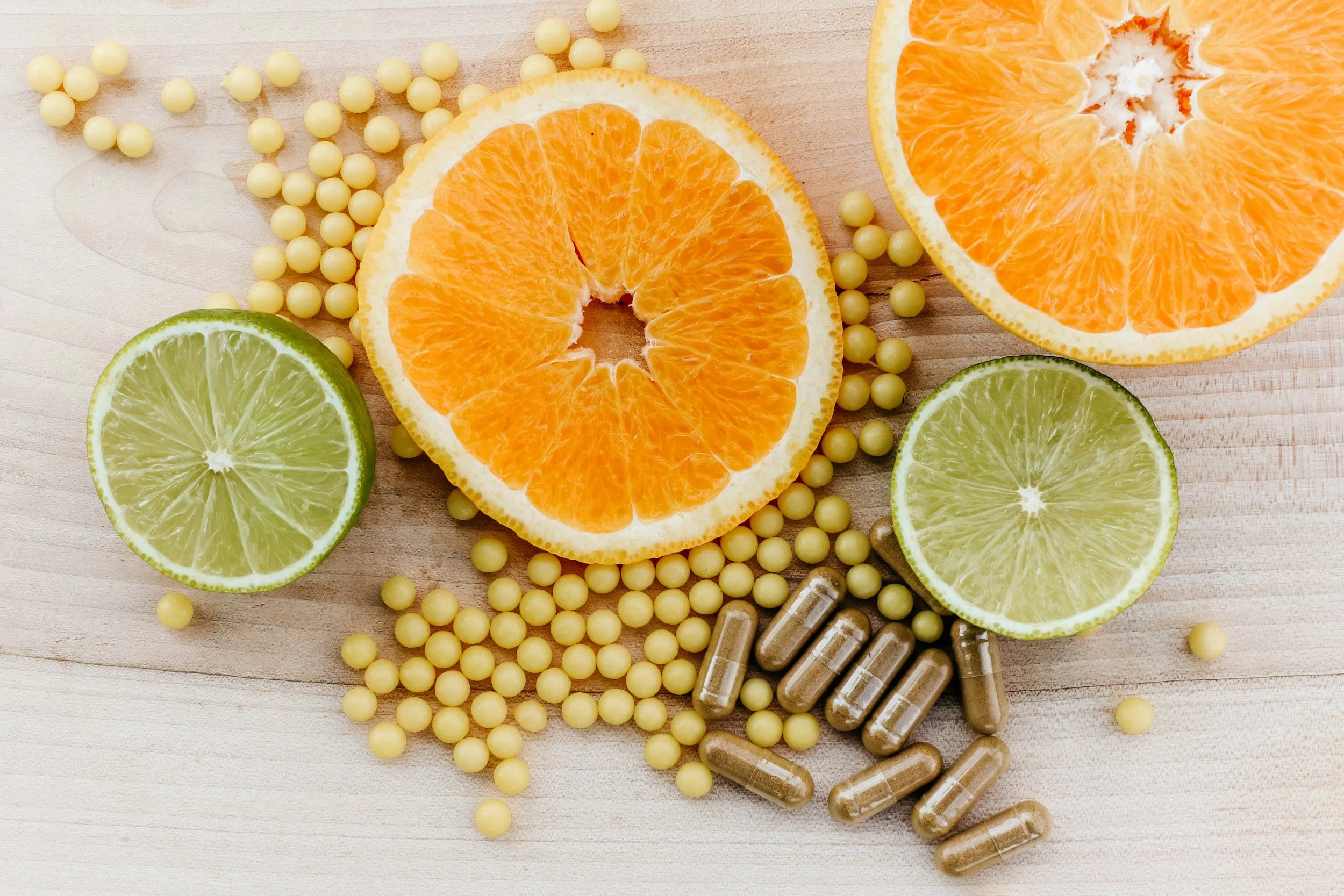
Many supplements are beneficial for assisting in the management of high cholesterol. However, these will vary based on your individual clinical picture, and the root of your imbalances. Supplements are always most effective as a sidekick to lifestyle changes, not as a replacement. Consult with a functional medicine practitioner to tailor your supplements, safely. And read my blog post about the supplement industry before purchasing just any brand, anywhere.
📊 Note: Research is linked. Click the headers to read more.
1. Psyllium Husk or Chicory Root (Inulin)
Dose: 5–10 g/day
Lowers LDL by binding bile acids
Especially helpful for constipation-associated hypercholesterolemia
Best to use initially as you work to increase fiber through the diet, or for those having a hard time sticking to dietary changes
Dose: ~2 g/day
Reduce intestinal cholesterol absorption
Best used short-term or in specific cases
3. Omega-3 Fatty Acids (EPA/DHA)
Dose: 1–4 g/day (depending on triglycerides)
Potently lowers triglycerides
Reduces inflammation and LDL oxidation
Dose: 500 mg 2–3x/day
Improves insulin sensitivity
Lowers LDL cholesterol and triglycerides similarly to low-dose statins
Particularly helpful in PCOS and metabolic syndrome
5. Red Yeast Rice (Selective Use Only)
Contains monacolin K (statin-like compound)
Can lower LDL cholesterol significantly
Requires liver enzyme and CoQ10 monitoring
💡 Functional insight: This is essentially a nutraceutical statin—use with professional guidance only.
Dose: 100–200 mg/day
Supports mitochondrial and cardiovascular health
Especially important if using statins or red yeast rice
Dose: 600-1,200 mg/day
Can significantly reduce LDL cholesterol, total cholesterol, and blood pressure
Supports small improvements in triglycerides and HDL cholesterol
Particularly helpful for those who also have hypertension or have a hard time eating 3 cloves, daily
Step 4: Lifestyle Factors That Influence Cholesterol More Than You Think
While I am briefly touching on these at the end, this is not an honorable mentions section. Sleep quality and stress levels impact cholesterol, independent of dietary changes. It’s important to consider each of these when reflecting on your personal challenges and needs.

1. Improve Sleep Quality
Poor sleep can increase LDL, triglycerides, and inflammation—independent of diet.
Aim for:
7–9 hours
Consistent sleep/wake times
Morning light exposure

2. Address Chronic Stress
Cortisol increases hepatic cholesterol production.
Helpful tools:
Breathwork
Gentle movement
Adaptogenic herbs (as appropriate)
Reducing under-eating and over-training
An Important Note on Statins
While the updated guidelines to diagnose high cholesterol have lowered over time, from >220 mg/dL, to >200 mg/dL, and now in some practices >180 mg/dL, there is no strong evidence to support this change. To date, increased mortality risk begins at 220 mg/dL or more. Therefore, it is not recommended to target high cholesterol with a statin for numbers under 220 mg/dL without having a better understanding of the qualities of all of your lipoproteins levels and liver transport molecules, or prior to looking at your diet to see if improvements can be made. Make sure to discuss this with your medical practitioner, and if they do not go over it in-depth with you, consider taking your results to an integrative and functional medicine clinician for a second opinion.
If you do choose to take a statin, keep in mind that long-term use has been associated with reduced levels of:
Coenzyme Q10 (CoQ10): essential for mitochondrial and cardiac energy
Vitamin D: due to shared synthesis pathways
Magnesium: important for muscle and vascular function
Selenium (potentially): involved in antioxidant defense
Many individuals on statins benefit from CoQ10 supplementation (100–200 mg/day) and periodic nutrient assessment.
Nurture Your Way to Cholesterol Health
Lowering cholesterol naturally isn’t about eliminating fat or chasing a single number on a lab report. From an integrative and functional nutrition perspective, it’s about looking at the total picture of who you are and what areas need nurturing. So many times, people look at how to address health goals from a “restrict and remove” standpoint. If this sounds like you, I encourage you to instead look at what nourishing foods and habits you can add in to:
Improve insulin sensitivity
Support bile flow, liver, and gut health
Reduce inflammation and oxidative stress
Support cellular health and mitochondrial function
Manage stress and optimize rest
When these systems are supported, cholesterol often improves as a byproduct of better metabolic health—not as a battle against the body, but as collaboration with it.
Here if you need me,
If you’re feeling stuck with progress or with choosing which changes going to make the biggest different for your cholesterol health, you can get in-depth support by getting started with 1:1 nutrition counseling. Working with an integrative and functional dietitian, you can do a deep-dive in to your symptoms, get comprehensive functional medicine testing for cardiovascular, gut, liver, and hormone health.
Together, we:
Spend quality time identifying your values, motivations and goals
Review lab results, and what they mean for you
Go over tailored advice on next steps that is collaborative and on-going until you are feeling confident in your progress.

Wishing you health and healing,
Lindsay Midura, RDN, LDN, RYT
This website is used for educational purposes only and should not be used as a replacement for medical advice. Please reach out to your healthcare team for questions pertaining to your individual health needs.