

Atomic Habits for Optimizing Nutrition
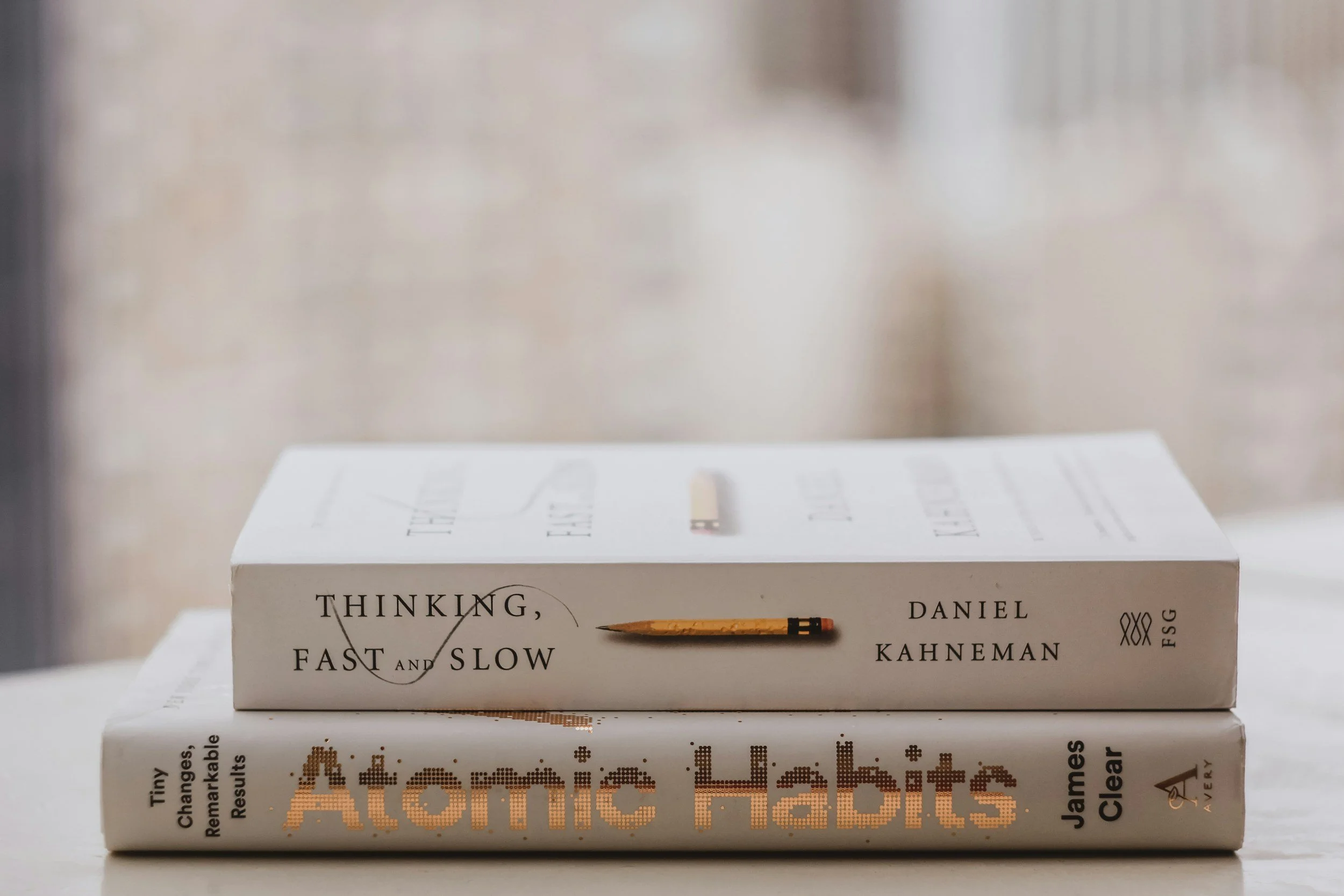
Making changes in your daily life that improve your health doesn’t come from willpower—it comes from small daily habits that compound over time. The book Atomic Habits by James Clear, is a guide to building good habits, breaking bad ones, and mastering the small behaviors that lead to remarkable results. The core idea is that tiny changes, repeated consistently, compound into large improvements over time. Here is a TLDR summary of the book and examples of how it can help you finally achieve those pesky nutrition goals you’ve been chasing for so long.
Core Principles:
1. Habits are the compound interest of self-improvement.
Small behaviors—improving just 1% each day—create outsized long-term outcomes.
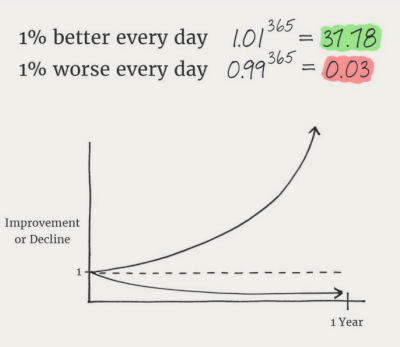
Nutrition Example: Instead of trying to overhaul your eating overnight, focus on 1–2% improvements, like,
Adding one extra serving of vegetables each day
Drink one more glass of water at the same time each day
Add 10g more protein to breakfast
These small wins compound into meaningful health changes.
2. Don’t Rely on Motivation—Build a System
Goals like “eat healthier” or “lose weight” are helpful, but vague. They don’t tell you what to do every day.
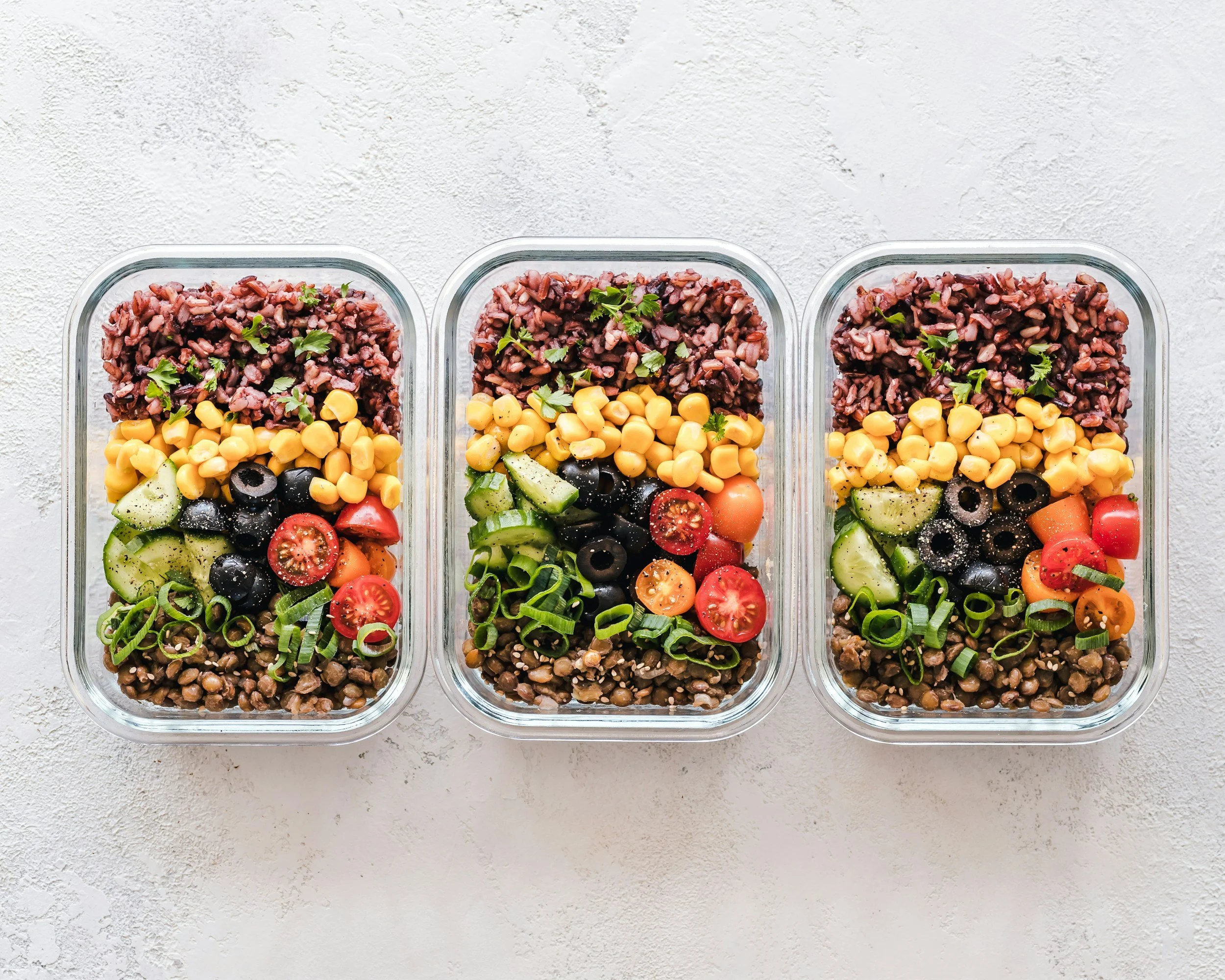
What works is building a system:
Meal planning on the same day each week
Washing and chopping produce as soon as you get home from the grocery store
Having quick, balanced snack options ready
Refilling your water bottle each time you take a bathroom break.
Scheduling grocery delivery that is repeatable
Your systems drive your outcomes.
3. Focus on Identity: Become the Healthy Version of You
Behavior sticks when it aligns with your identity. True behavior change comes from focusing on who you want to become, not just what you want to achieve.

Instead of thinking:
“I’m trying to eat healthy.”
“I want to meal prep.”
Reframe your thoughts to character-based statements:
“I’m someone prioritizes nourishing my body.”
“I’m the type of person who prepares hormone-balancing meals.”
“I’m someone who listens to my hunger cues.”
“I value my longevity, so I choose to keep foods in the house that will help me live well.”
“My culture is an important part of my identity, so I spend time each week preparing family recipes with my children.”
Identity-based habits are more sustainable.
The Four Laws of Behavior Change for Optimizing Your Nutrition
1. Make it Obvious
Set your environment up for success:
Keep prepped veggies at eye level
Place a bowl of fruit out on the counter top
Keep a water bottle in every main space
Create a visible meal plan on your fridge
2. Make it Attractive
Pair habits with things you enjoy:
Listen to a podcast while cooking
Make colorful meals you want to eat
Try new seasoning blends to boost flavor
Join a supportive accountability group or cook with a friend on Facetime
3. Make it Easy
Remove friction so healthy choices are the default:
Buy pre-cut produce
Keep frozen veggies and proteins stocked
Prep 1–2 staple items, not full meals
Repeat simple, go-to meals until you are very comfortable recreating them
Create “nutrition grab bags” with protein + fiber + produce, i.e. a meat stick, whole wheat crackers, and chopped bell peppers
4. Make it Satisfying
Celebrate your wins:
Put a star on your calendar for each day you hit your nutrition target
Track protein or water on an app
Notice how your mood, energy, and digestion improve and write down satisfying results in a habit journal
Reward consistency, not perfection with slow-dopamine treats like purchasing a new book when you have 4 weeks in a row of meal prepping.
How to Break Unhelpful Nutrition Habits
Use the inverse laws:
Make it invisible: Keep trigger foods out of sight or in opaque containers. Plan for when to have them on your meal plan board versus impulse eating.
Make it unattractive: Remind yourself how you feel after overeating or skipping meals, write it down in your habit tracking journal or pin it in your notes app
Make it difficult: Don’t keep ultra-processed snacks easily accessible. Place them on a higher shelf or behind more health conscious choices.
Make it unsatisfying: Use accountability (dietitian check-ins, journaling, or not allowing a reward until you hit a progress marker you decide ahead of time.)
Have Patience with the Plateau of “No Progress”
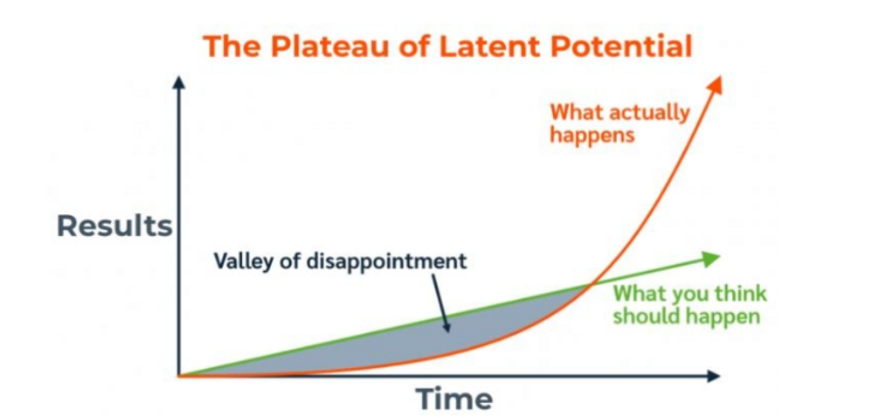
Nutrition results take time and often there is a latency period when you begin putting in effort.
Just because you don’t immediately see body or symptom changes doesn’t mean your habits aren’t working.
Stay consistent—this is where most people give up, just before things are about to pay off in big ways.
The Big Picture
Nutrition success doesn’t come from one “perfect day.”
It comes from repeating small, sustainable habits aligned with your identity, environment, and daily systems.
Try some of these tips on your own!
Start by writing statements about the person you want to be, how you wish to show up in the world, and why it’s important to you. Be specific.
Write a list of actions that will help prove to yourself that you are that person.
Circle the most important and impactful action to you on that list.
Make a SMART (specific, measurable, achievable, realistic, time sensitive) goal on how to implement it. i.e. “I will wash and chop all the fruit I buy when I return from the grocery store right when I get home and place them front and center in my refrigerator, every week on Sundays.”
Get my Free Habit Tracker sent directly to your email to get started making an impact on your health goals. Just fill out the short form below:
If you’re feeling stuck with progress or with choosing which goal is going to make the biggest different for your health, you can get added support by getting started with 1:1 nutrition support. Working with an integrative and functional dietitian, you can do a deep-dive in to your symptoms, get comprehensive functional medicine testing for gut health, hormone health, and nutrient balance, and spend quality time identifying your values, motivations and goals, then get specific advice on next steps that is collaborative and on-going until you are feeling confident in your progress.

Wishing you health and healing,
Lindsay Midura, RDN, LDN, RYT
This website is used for educational purposes only and should not be used as a replacement for medical advice. Please reach out to your healthcare team for questions pertaining to your individual health needs.